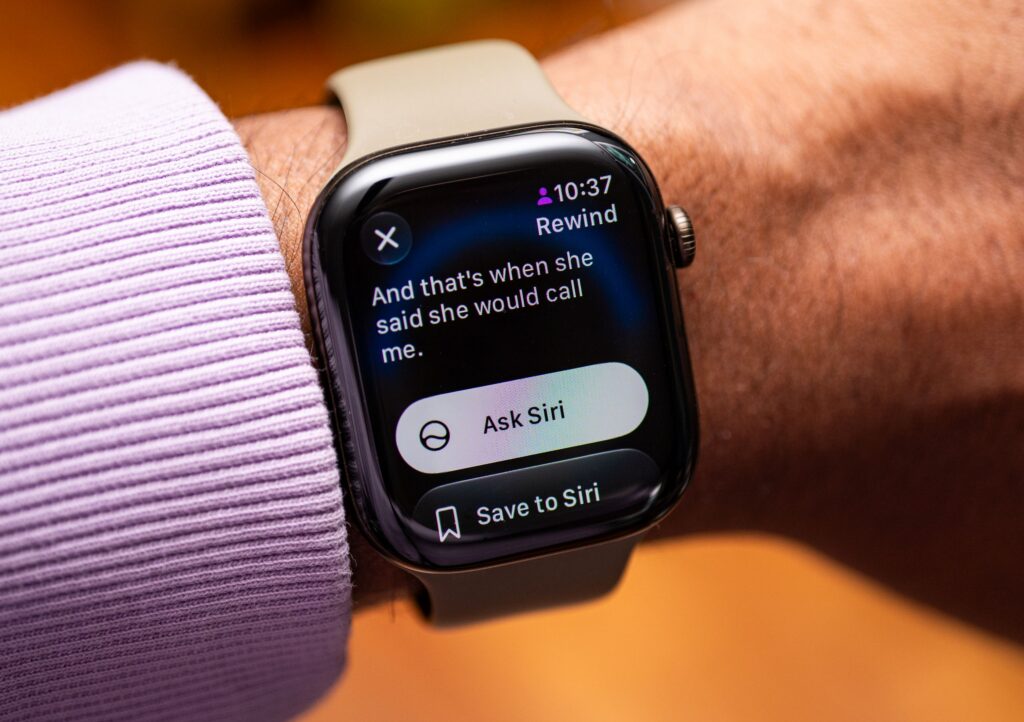
In a review published on November 17, 2026, WIRED tested two Apple Watch Audio Intelligence features: Live Rewind, which transcribes the previous 15 seconds of conversation, and Siri Recap, which summarizes conversations captured during scheduled periods or at chosen locations. Live Rewind was in the watchOS 27.3 public beta at the time, with an official launch expected before the end of 2026.
Both features are opt-in. They require an Apple Watch Series 12 or Ultra 4, an iPhone 16 or newer, iOS 27 and Apple Intelligence. They work only in English and are unavailable to users under 18.
WIRED’s reviewer found Live Rewind useful when it worked in moderately quiet settings, but said background noise could make transcripts inaccurate. Its 15-second window sometimes missed part of what he wanted to recall. He also found it awkward to activate while talking to someone.
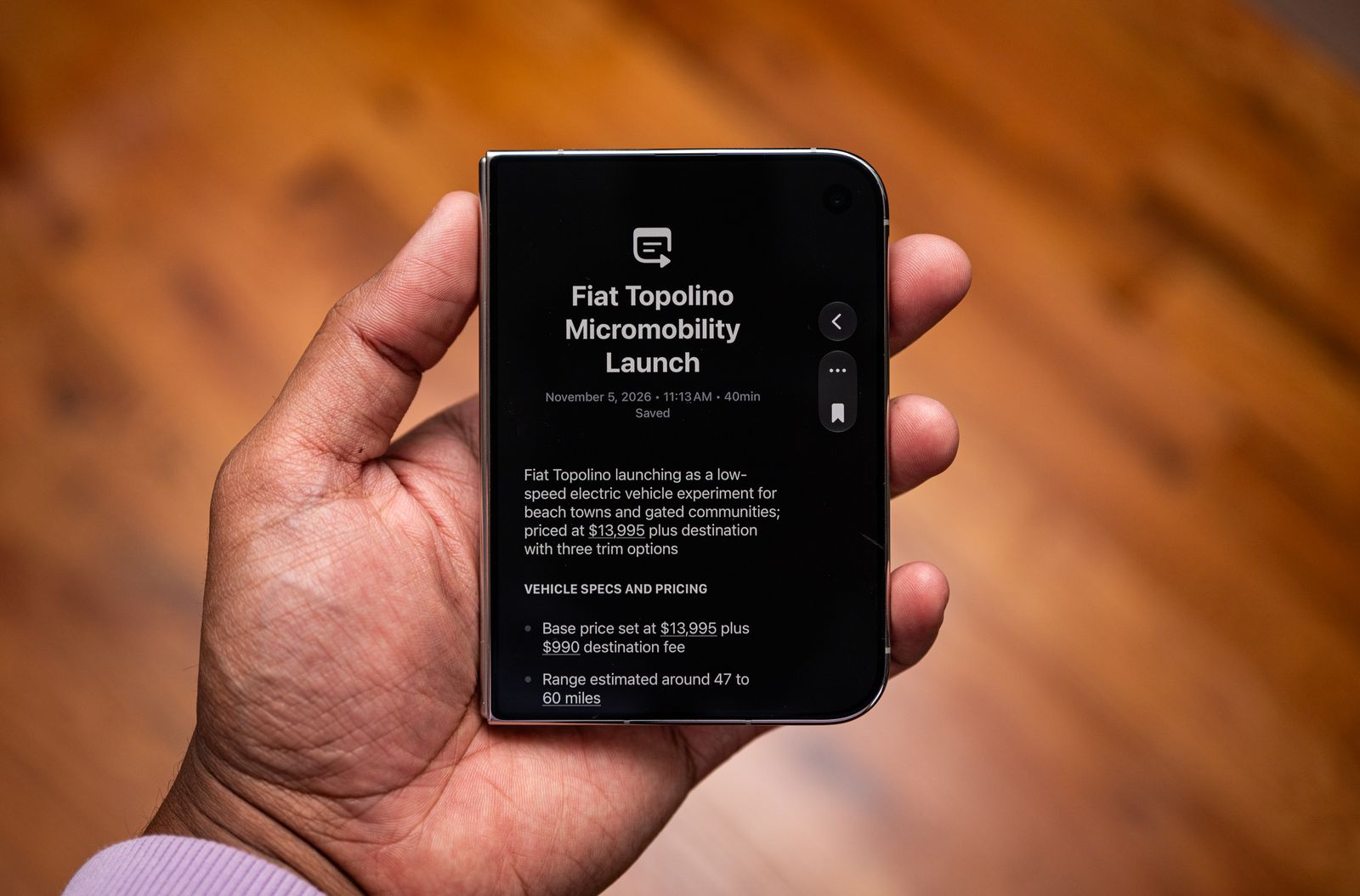
Siri Recap was more useful to the reviewer as a memory aid: it helped him recover a paraphrased detail from an interview he had not recorded. But its summaries are not intended to be detailed meeting notes. During testing, Recap also captured dialogue from media he watched on YouTube and Instagram, producing entries for conversations he had not had. The reviewer said he could edit or delete those recaps. With Recap enabled throughout the day, he reported no meaningful reduction in the Series 12’s battery life during his week of testing.
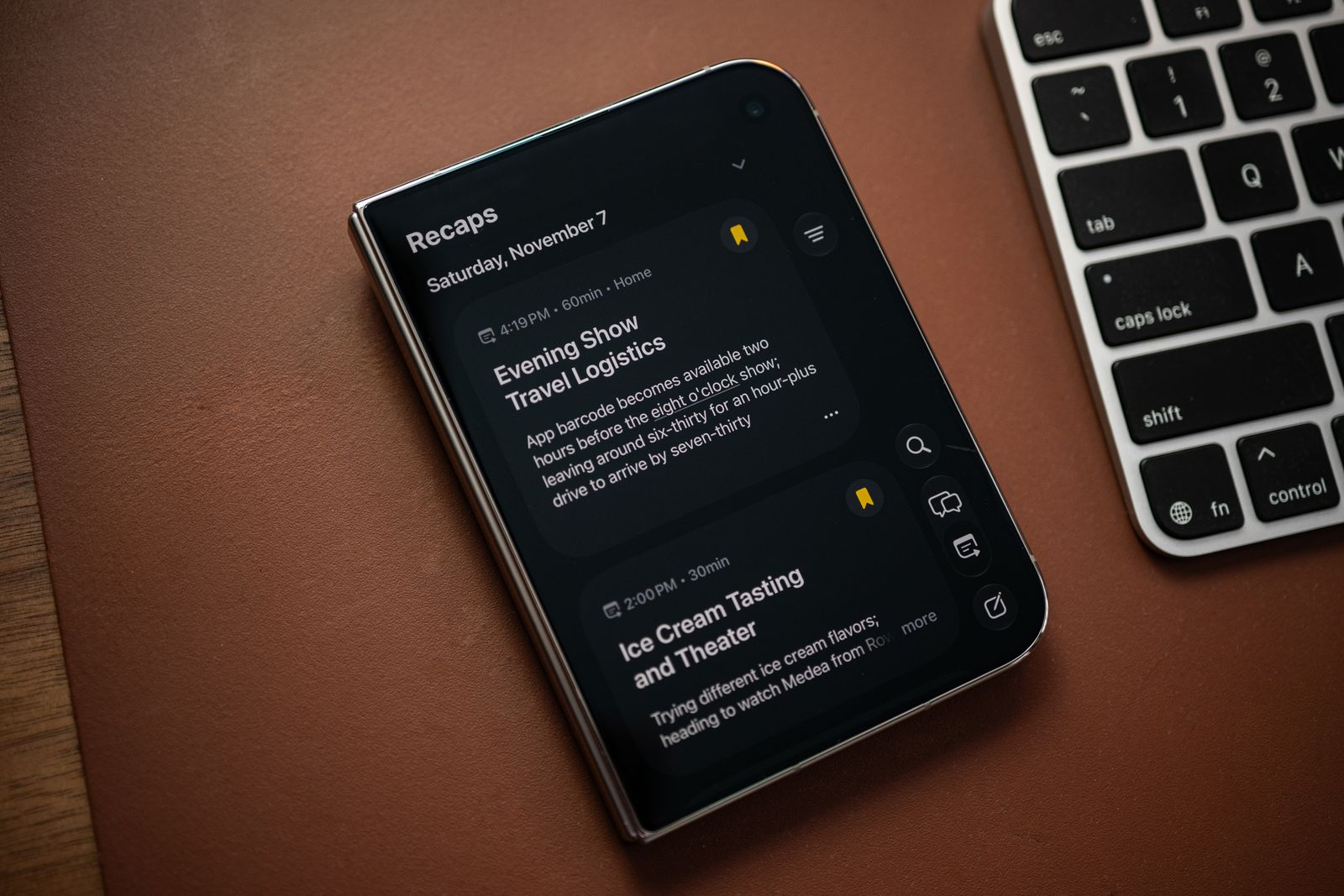
Apple says Live Rewind processes audio on the watch, plays a chime when activated and discards its transcript unless the user saves it to Siri. For Recap, Apple says its Private Cloud Compute system does not store or log the processed data on its servers; recaps saved in the Siri app are end-to-end encrypted when synced with iCloud. Unsaved recaps delete themselves after seven days. Apple also says Recap does not identify speakers and omits content its system considers sensitive.
Those safeguards do not settle the question of consent from people nearby. Reem Suleiman, senior campaign director at digital-rights group Fight for the Future, told WIRED that a wearer’s decision to opt in does not obtain consent from everyone around them. The review leaves a practical distinction: a watch may help its wearer remember a missed remark, while the person speaking may not expect a wearable device to capture it.